| [ Main ] [ Download ] [ Screenshots ] [ FAQ ] [ Tutorial ] [ Documentation ] [ Forum ] [ Links ] |
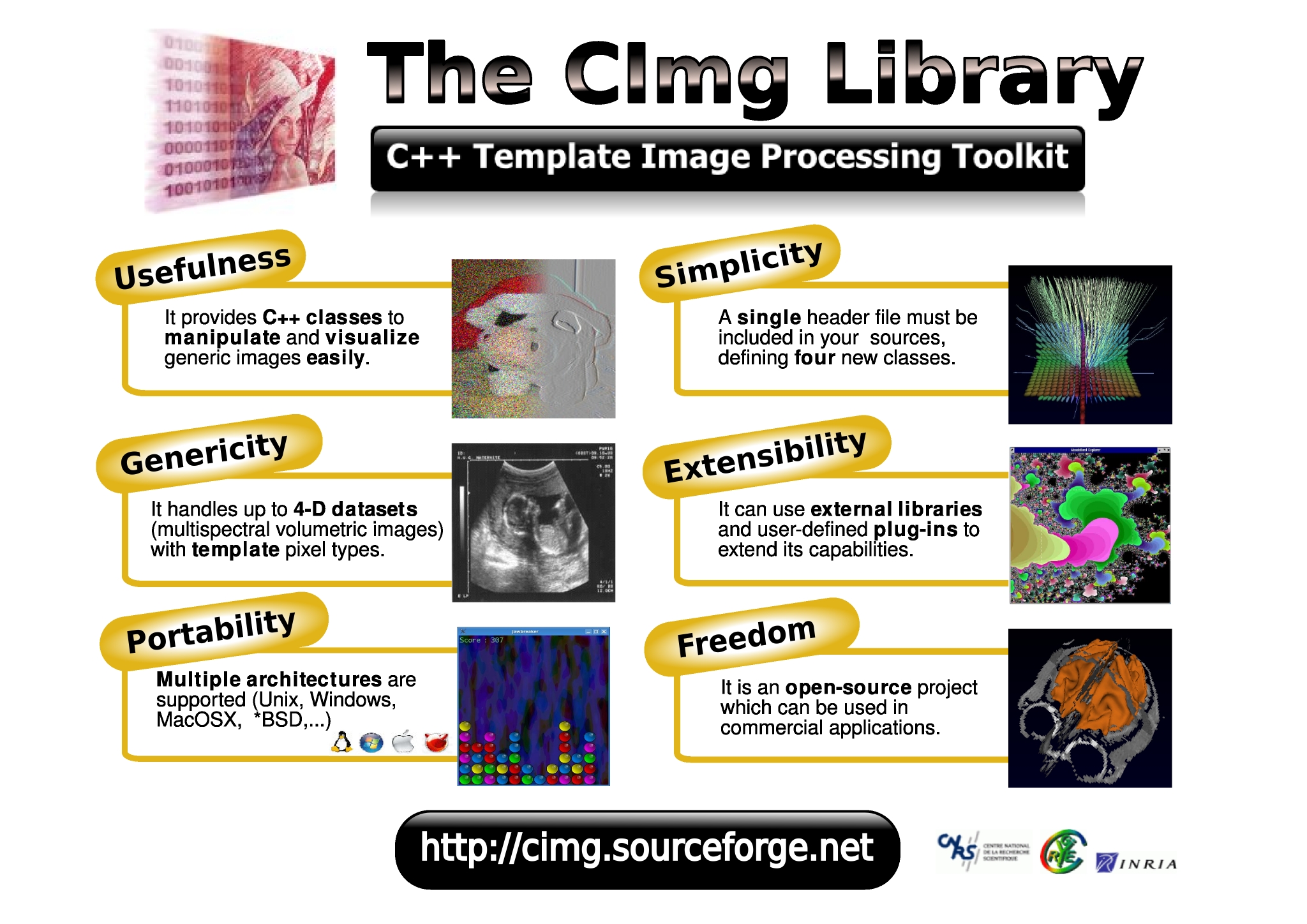
The CImg Library is a small, open source, C++ toolkit for image processing, designed with these properties in mind :
 |
CImg defines classes and methods to manage images in your own C++ code. You can use it to load/save various file formats, access pixel values, display/transform/filter images, draw primitives (text, faces, curves, 3d objects, ...), compute statistics, manage user interactions on images, and so on... |
 |
CImg defines a single image class which can represent datasets having up to 4-dimensions (from 1d scalar signals to 3d hyperspectral volumetric images), with template pixel types (bool,char,int,float,...). It also handles image collections and sequences. |
 |
CImg is self-contained and thus highly portable. It fully works on different operating systems (Unix,Windows,MacOS X,*BSD,...) and is compatible with various C++ compilers (Visual C++,g++,clang++,icc,...). |
 |
CImg is lightweight. It is made of a single header file CImg.h that must be included in your C++ source. It defines only four different classes, encapsulated in a namespace. It can be compiled using a minimal set of standard C++ and system libraries. No need for exotic or complex dependencies. |
 |
Although not mandatory, CImg can use functionalities of external tools/libraries such as ImageMagick, GraphicsMagick, XMedCon, FFMPEG, libpng, libjpeg, libtiff, Magick++, OpenCV, Lapack, Board, OpenEXR or FFTW3. Moreover, a simple plug-in mechanism allows any user to directly enhance the library capabilities according to his needs. |
 |
CImg is a free, open-source library distributed under the CeCILL-C (close to the GNU LGPL) or CeCILL (compatible with the GNU GPL) licenses. It can be used in commercial applications. |
CImg stands for Cool Image : It is easy to use, efficient and is intended to be a very pleasant toolbox to design image processing algorithms in C++. Due to its generic conception, it can cover a wide range of image processing applications.

David Tschumperlé (project leader)
with the help of many contributors around the world :
Antonio Albiol, Haz-Edine Assemlal, Vincent Barra, Romain Blei, Yohan Bentolila, Jerome Boulanger, Frederic Devernay, François-Xavier Dupé, Eric Fausett, Jean-Marie Favreau, Sebastien Fourey, Alexandre Fournier, Vincent Garcia, David Grimbichler, Jinwei Gu, Jean-Daniel Guyot, Matt Hanson, Sebastien Hanel, Michael Holroyd, Christoph Hormann, Hon-Kwok Fung, Werner Jainek, Daniel Kondermann, Pierre Kornprobst, Orges Leka, Francois Lauze, Xie Long, Thomas Martin, Cesar Martinez, Jean Martinot, Arnold Meijster (Center for High Performance Computing and Visualization, University of Groningen/The Netherlands) Nikita Melnichenko, Baptiste Mougel, Julien Morat, Guillaume Nee, Francisco Oliveira, Andrea Onofri, Renaud Peteri, Martin Petricek, Paolo Prete, Adrien Reboisson, Klaus Schneider, Jakob Schluttig, Konstantin Spirin, Rainer Steffens, David G. Starkweather, Grzegorz Szwoch, Thierry Thomas, Yu-En-Yun, Vo Duc Khanh, Phillip Wood, Bug Zhao, Haibo Zheng.

The CImg Library is an open-source product distributed under two distinct licenses : the library core itself is dual-licensed and can be governed either by the CeCILL-C License (LGPL-like), or the CeCILL License (GPL-compatible). Most of the other package files are distributed under the CeCILL License. Both are open source licenses, the CeCILL-C being less restrictive than the CeCILL.
The CImg Library source code has been registered to the APP (French Agency for the Protection of Programs) by the INRIA, under registration number IDDN.FR.001.040004.000.S.P.2004.000.21000.

- The Screenshots section illustrates some of the different source code examples provided in the CImg package.
- The Tutorial section shows the basic use of CImg classes and functions with a small first code.
- You can look at the quite complete CImg Library presentation slides (.pdf format) which gives more insights on the different library concepts.
- Online web statistics on the CImg website activity are available here, here and below :

The development of the CImg Library began at the end of 1999, when I started my PhD thesis in theLab at the
Sophia Antipolis. It was designed to help me and my colleagues developing various image processing algorithms, for datasets as simple as 2D scalar images, or as complex as 3D volumes of diffusion tensors. I also used it for courses on image processing I teached at the university. As a result, the CImg library has been always intended to be compact, easy to install and to use, multi-platform and generic. It provides a lot of basic functions that any human would like to find in a C++ image processing framework.
I am now a permanent researcher of theinstitution, working in the
group at the
GREYC lab in Caen/France. I am still using, maintaining and updating the CImg Library, and will probably do it for the next couple of years.

The CImg Library is an open source C++ library which is mainly developped during free time. If you enjoy using CImg, you may contribute to the project in different ways. This will motivate me to continue the work.
- You can help CImg to be more widely known, by displaying a CImg Flyer at work, in your lab or school (available in .PDF or .JPEG formats).
- You can report bugs, propose patches or new functionalities, using the CImg forums or trackers.
- You can write tutorials or parts of the documentation.
- If you just want to say you've been happy with the library, you can send me a postcard from your place, to the following address :
David Tschumperlé, GREYC (UMR CNRS 6072), Equipe IMAGE, 6 Bd du Maréchal Juin, 14050 Caen Cedex, FRANCE.
36 postcards received yet (I still have empty space on my wall ! :) ), from :
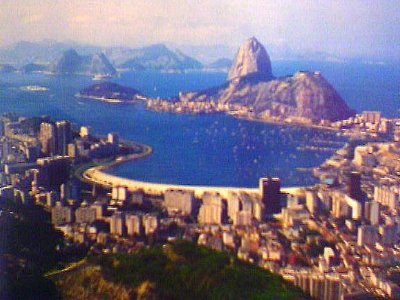
- Comissao Nacional de Energia Nuclear, Rio de Janeiro, Brazil.
- Universidad Nacional del Litoral, Santa Fe, Argentina.
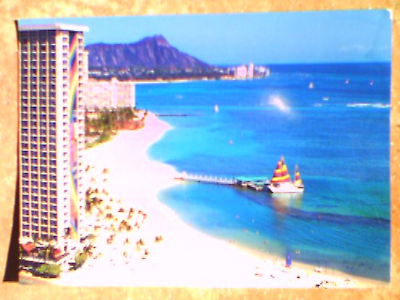
- Waikiki's only true resort, Honolulu/Hawaii.
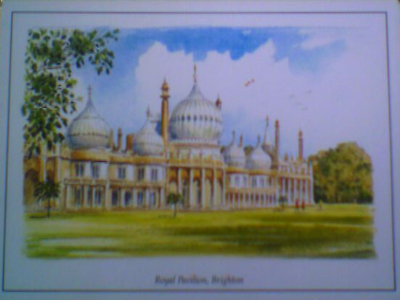
- Royal Pavilion, Brighton/UK.
- Cambridge, UK.
- National Tai-Chung Institute of Technology, Taiwan.
- Fuzzy Logic Laboratorium Linz-Hagenberg, Linz, Austria.
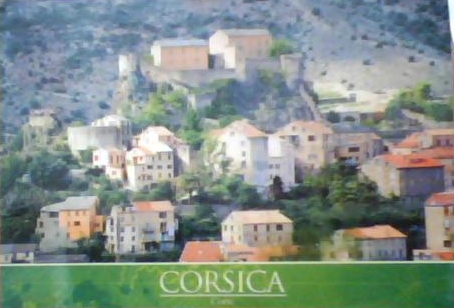
- Corte/Corsica.
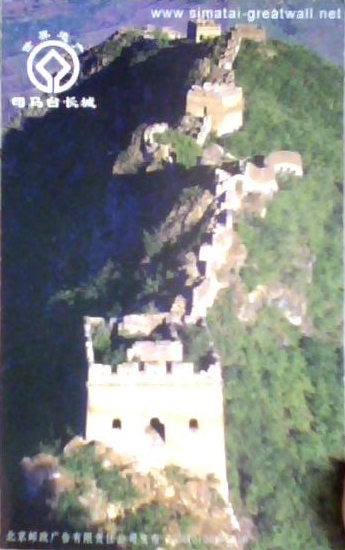
- Microsoft Research, Beijing/China.
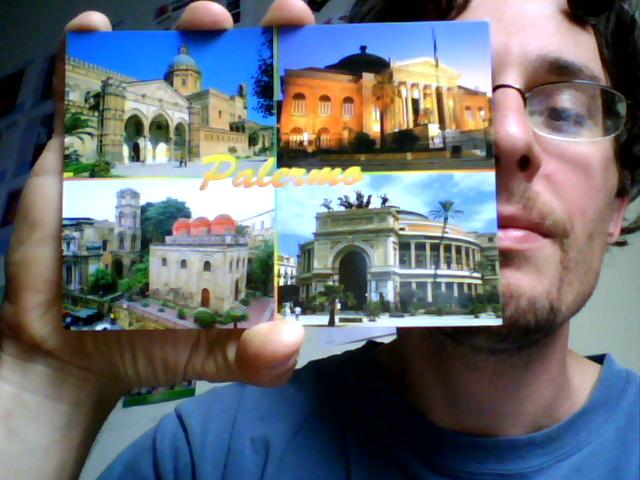
- Palermo/Italia.
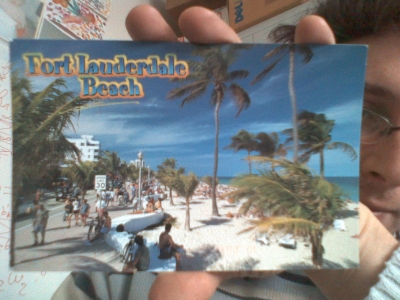
- Florida Atlantic University/USA.
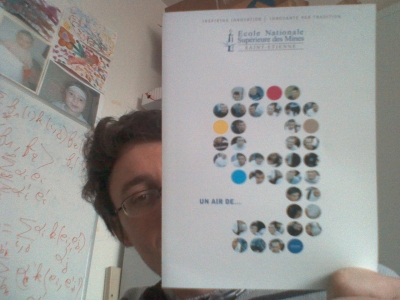
- Ecole Nationale Supérieure des Mines de Saint-Etienne/France.
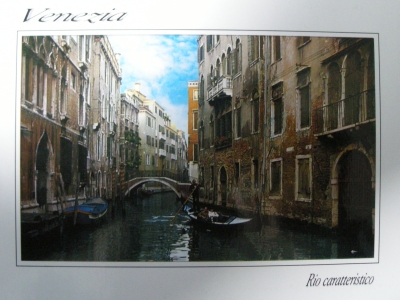
- Venice/Italy, from Sebastien/GREYC (Caen/France).
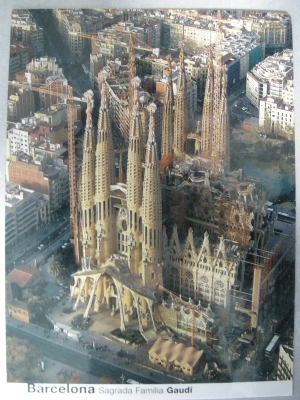
- Barcelone/Spain, from Jaime.
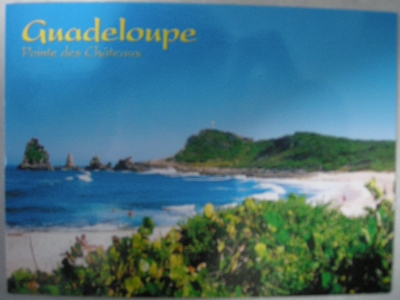
- Guadeloupe/France, from Jean-Michel.
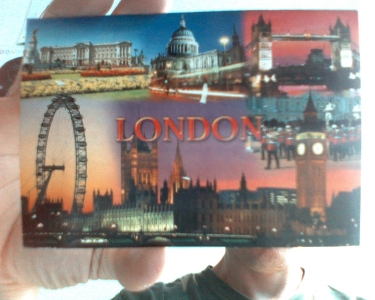
- London/England, from Sebastien/GREYC (Caen/France).
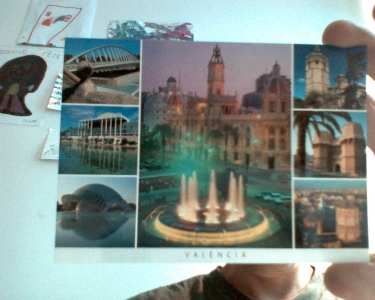
- Valencia/Spain, from the Research Institute ITEAM of the Unversidad Politecnica.
- Vienna/Austria, from Sebastien/GREYC (Caen/France).
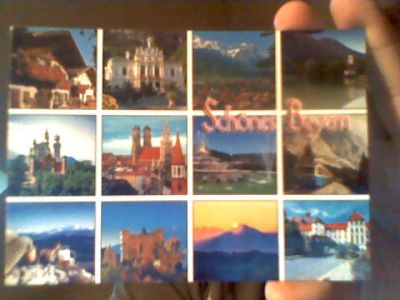
- Neuherberg/Germany, from the Institut for Biomathematick und Biometrie.
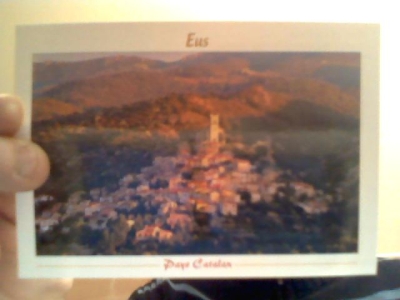
- Cabestany/France, from Guy Poizat.
- Frascati/Italy, from PhotoComiX.
- Jaca/Spain, from F. Albior.
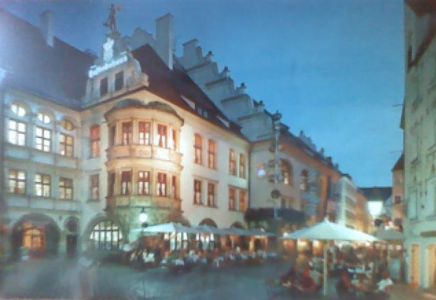
- Munich/Germany, from M???? (didn't succeed in reading the name, sorry !).
- Playa del Carmen/Mexico, from Sebastien/GREYC (Caen/France).
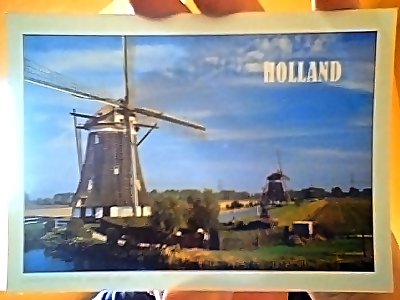
- Holland, from Vincent/GREYC (Caen/France).
- Portland/Oregon/USA, from Mahvin.
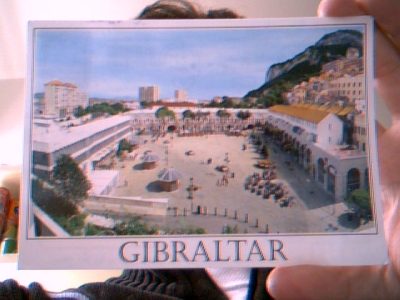
- Gibraltar, from Terry Hendicott.
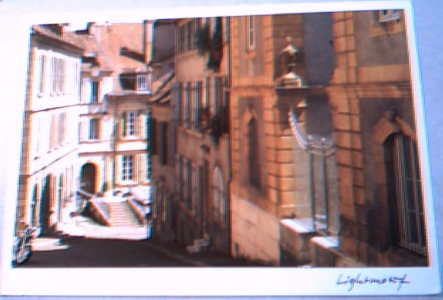
- Neuchatel/Switzerland, from Corinne Masimann.
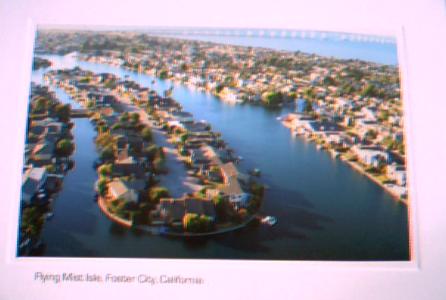
- Foster City/California, from Arkadi Gelfond.
- Huntsville/Alabama, from Gordon M. Neeley.
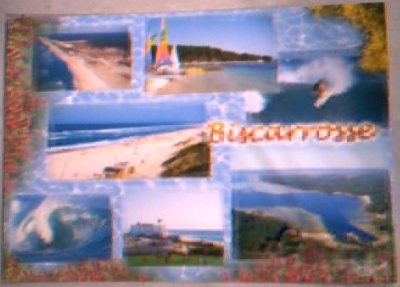
- Biscarosse/France, from Sebastien/GREYC (Caen/France).
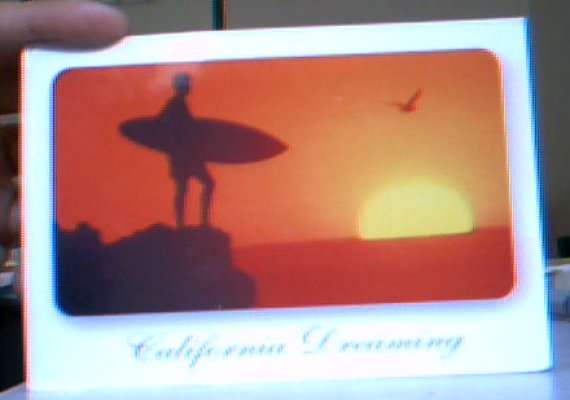
- California/USA, from Benoit Gauzere/GREYC (Caen/France).
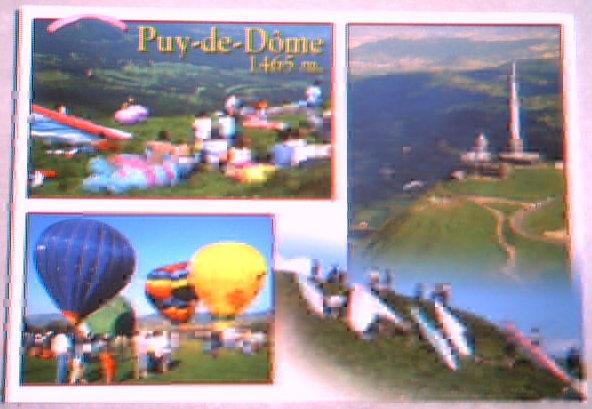
- Puy-de-Dome/France, from Sebastien/GREYC (Caen/France).
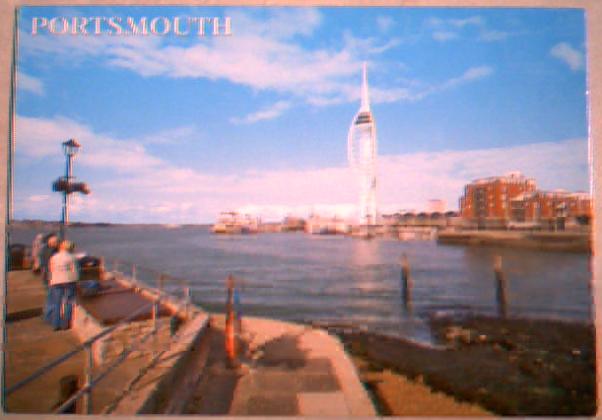
- Portsmouth/United Kingdom, from Sebastien Clediere/Snell Ltd.
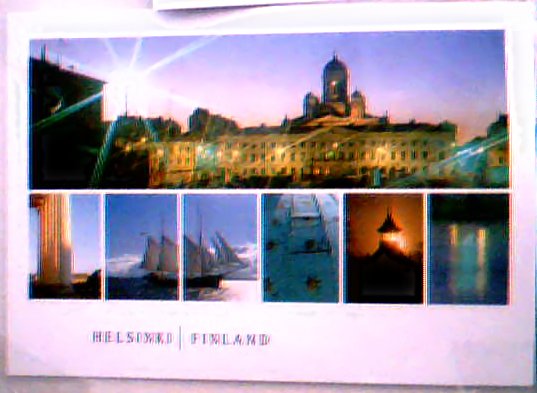
- Helsinki/Finland, from Arto Huotari.
- If you have too much money, you can also


Copyrights (C) From october 2004, David Tschumperlé - GREYC UMR CNRS 6072, Image group.
Copyrights (C) January->September 2004, David Tschumperlé.
Copyrights (C) 2000->2003, David Tschumperlé - INRIA Sophia-Antipolis. Odyssée group.